
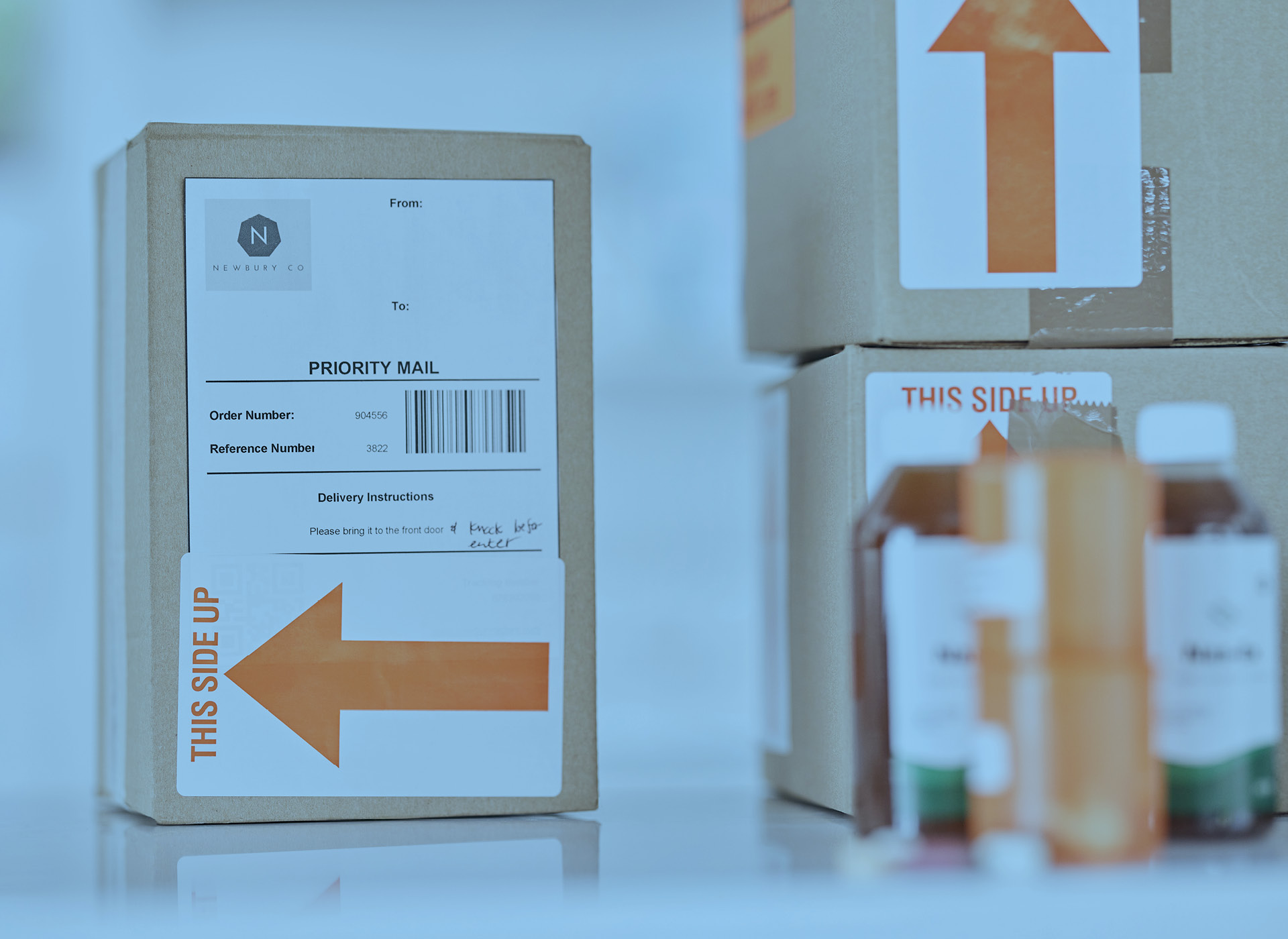
In the pharmaceutical sector, nothing is left to chance. From the manufacture of a medicine to its arrival at the patient’s door, every stage is designed to protect the product’s quality, safety, and efficacy. However, few phases are as sensitive as logistics. Transporting medicines is not simply a matter of moving boxes; it involves safeguarding products that can lose stability with even a slight temperature change, complying with strict regulations that cross borders, and ensuring meticulous traceability in a market where counterfeiting is a real risk.
A Sector Where a Few Degrees Change Everything
The key difference between a shipment of pharmaceutical products and any other is their fragility. Many medications depend on strict temperature control. Vaccines, biologics, or advanced treatments can lose effectiveness if the temperature deviates from its recommended range by even a few minutes. The logistics chain must be viewed as a complete ecosystem: no link can fail.
Warehouses must be thermally mapped, vehicles must be certified, and every transshipment, from a cross-dock to an airport runway, requires rigorous control to prevent breaks in the cold chain. Simply having refrigerated trucks is not enough; what is needed is the ability to demonstrate, with verifiable data, that the medication has remained stable from its origin to its destination.
This level of rigor has driven the use of state-of-the-art passive and active packaging, smart containers, and real-time monitoring systems that alert to any deviations. In today’s logistics, controlling the temperature is controlling the quality.
A regulatory framework that leaves no room for doubt
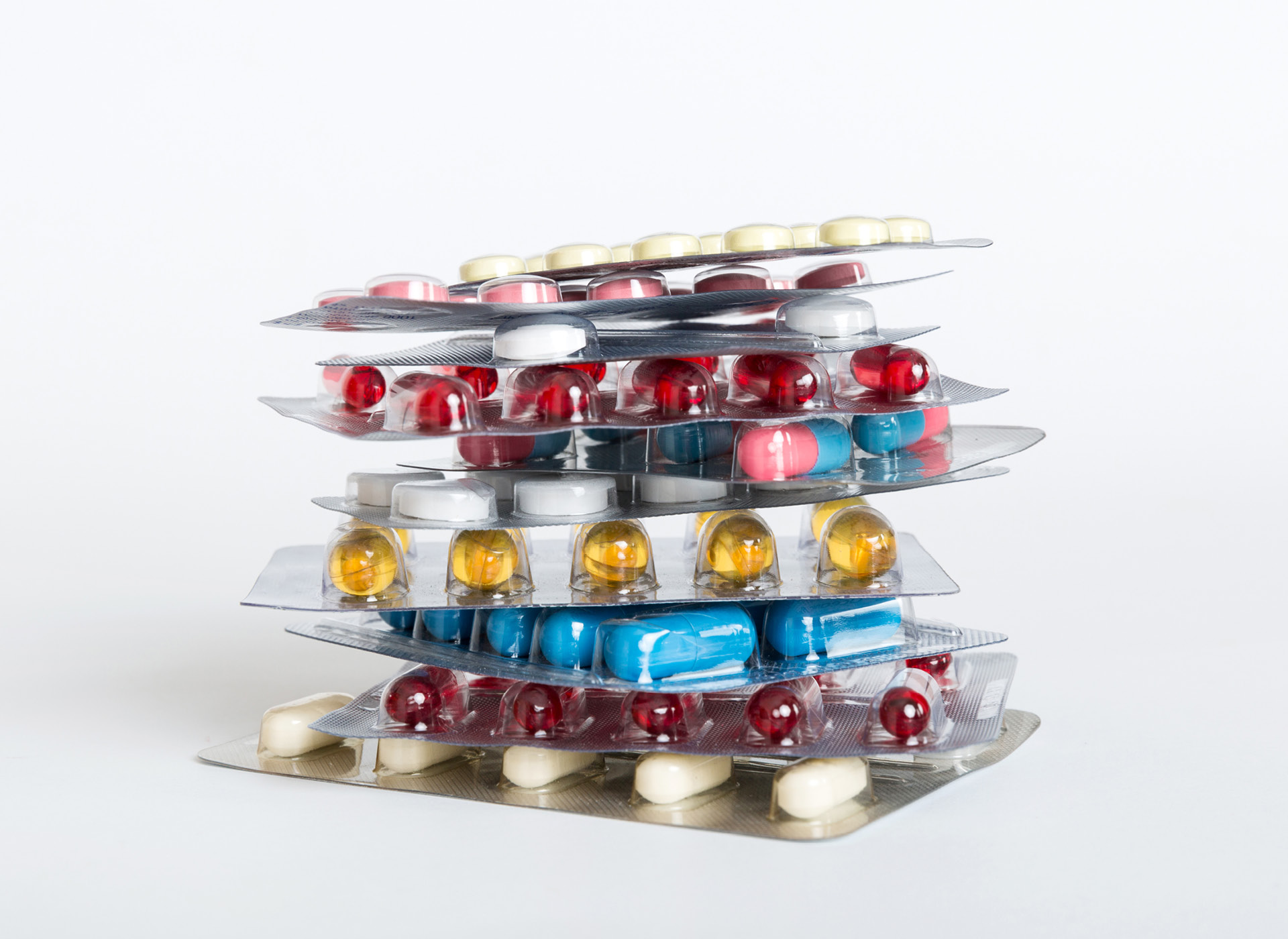
If technology is the muscle of pharmaceutical logistics, regulation is its skeleton. The European Union establishes a clear framework through the Good Distribution Practice Guidelines (GDP) , a reference document that defines how medicines must be stored, handled, and transported to preserve their integrity. For pharmaceutical companies and laboratories, working with an operator that operates under GDP principles is not optional: it is a direct extension of their own quality system.
Internationally, WHO guidelines complement this vision and reinforce the need to integrate risk management and control practices throughout the entire supply chain. When transport includes an air leg, IATA TCR regulations come into play, specifying how temperature-sensitive medical devices must be prepared, packaged, and labeled. Everything is covered: from handling procedures at airports to the use of specific labels for temperature-sensitive goods.
This regulatory environment not only protects the patient; it also protects the company. Adhering to each step reduces the risk of seizures, avoids penalties, and ensures that a medicine can be marketed smoothly in any market.
Traceability: a shield against counterfeiting and lack of control
Security is another pillar of this logistics. The European Union has strengthened traceability through the Falsified Medicines Directive, which requires that each package have a unique identifier and an anti-tampering device. Although this system is primarily verified in pharmacies and hospitals, it directly impacts transport: the operator must be able to maintain the integrity of the package and accurately record its route, batch number, expiration date, and any relevant events during transit.
In a sector where counterfeit medicines pose a growing threat, logistics becomes an essential protective tool. Physical, documentary, and digital controls merge to ensure that what leaves the laboratory is exactly what arrives at the point of dispensing.
When Transport Crosses Borders: Customs and Compliance
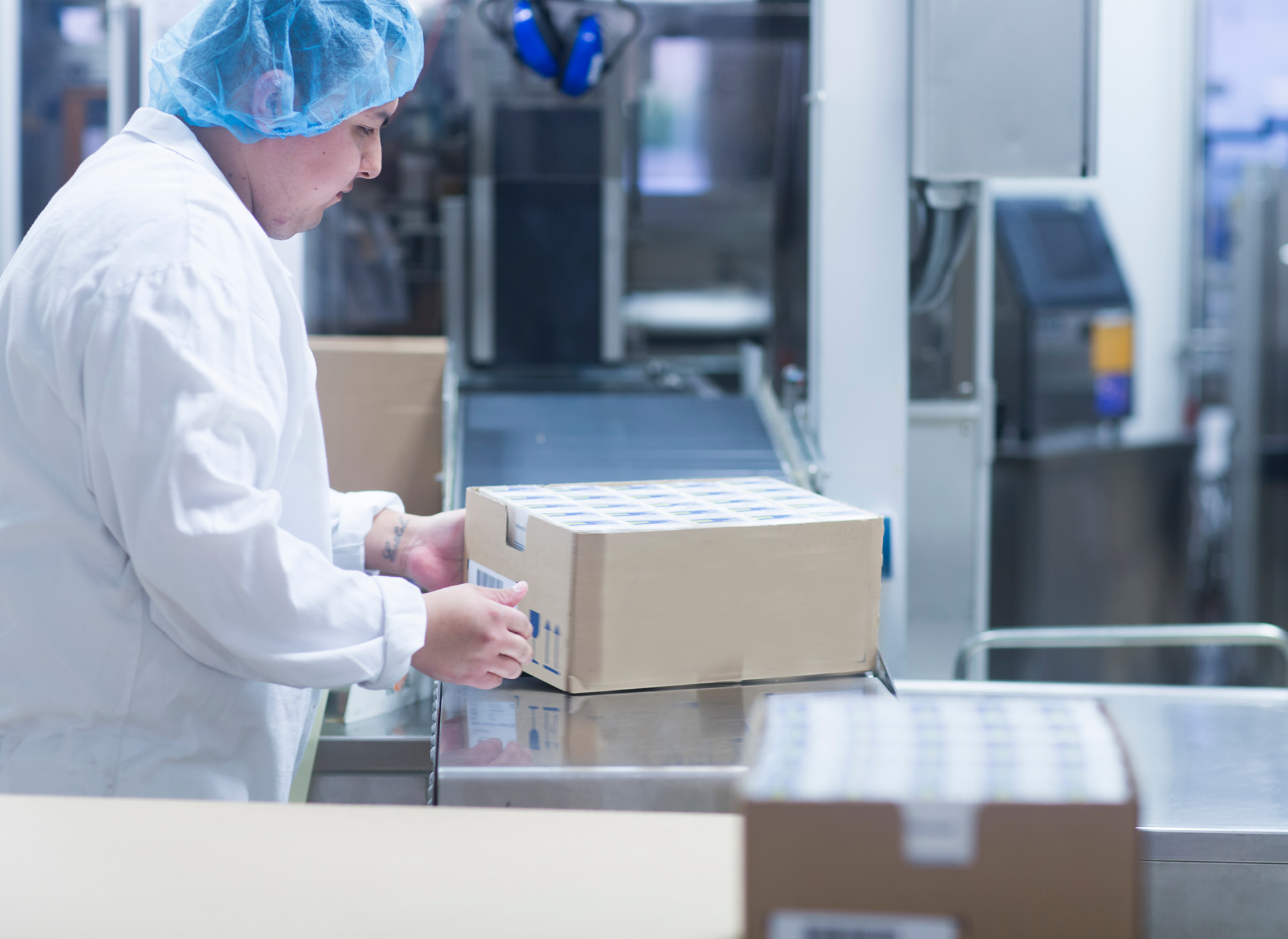
The complexity intensifies when products move outside the European Union. Importing or exporting medicines involves navigating strict regulations, from marketing authorization to labeling requirements, pharmacovigilance, and batch control. Active pharmaceutical ingredients and finished medicines must comply with Good Manufacturing Practices (GMP), and in many cases, final batch release requires the intervention of a Qualified Person (QP). Each country may also add its own health and documentation controls, making customs coordination a critical element.
An incorrect tariff classification, incomplete documentation, or packaging that has not been certified according to IATA standards can lead to delays that compromise product stability. Therefore, for laboratories, wholesalers, and pharmaceutical companies, having an operator who is an expert in customs procedures, HS codes, and health requirements is not just a convenience: it’s the difference between a smooth supply chain and a costly problem.
The Value of a Specialized Operator
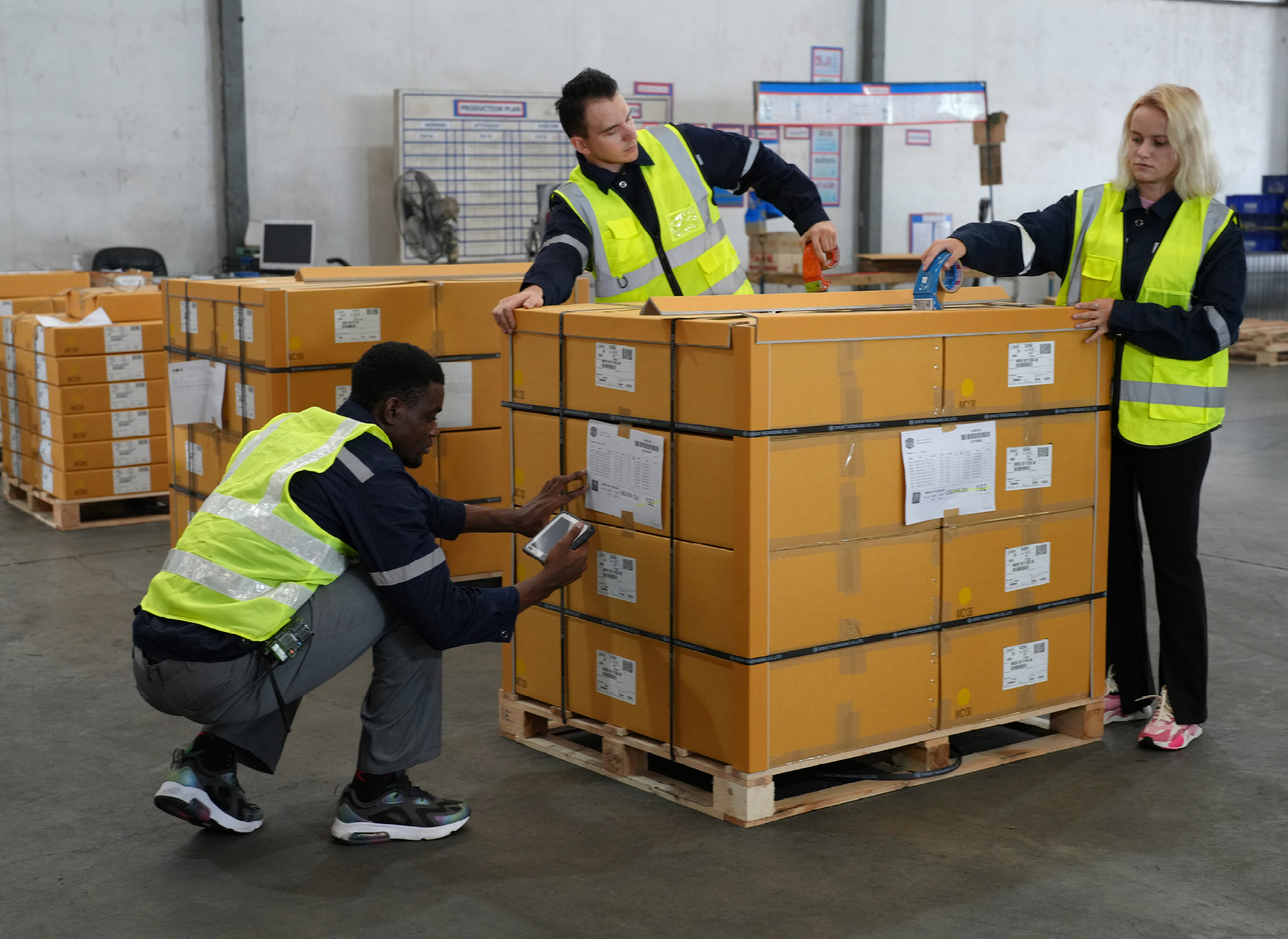
Pharmaceutical logistics doesn’t allow for improvisation. It requires a combination of regulatory knowledge, technical infrastructure, auditable procedures, and an internal culture where quality is a non-negotiable principle. For laboratories and pharmaceutical companies, working with an operator like Transped means having a partner that understands their sector and operates on the same principle: patient health depends on everything going smoothly.
Experience is measured by the ability to design optimized and safe routes, anticipate risks, react to unforeseen events, manage impeccable documentation, and offer complete visibility through digital platforms that allow real-time tracking of the status and conditions of each shipment. It means speaking the same language as the quality, regulatory, and supply chain departments of the pharmaceutical industry and supporting them at every stage: from packaging to customs clearance, including thermal monitoring and post-shipment analysis.
In a global market where speed and reliability have become strategic elements, pharmaceutical logistics is much more than just a transportation service. It provides added assurance of drug safety, reinforces the laboratory’s quality system, and ultimately, is a decisive reputational factor.
Companies that invest in robust and highly regulated supply chains not only protect the value of their product but also safeguard the trust of physicians, distributors, and patients. And in a sector that thrives on that trust, logistics emerges as one of the most crucial links in the entire value chain.