
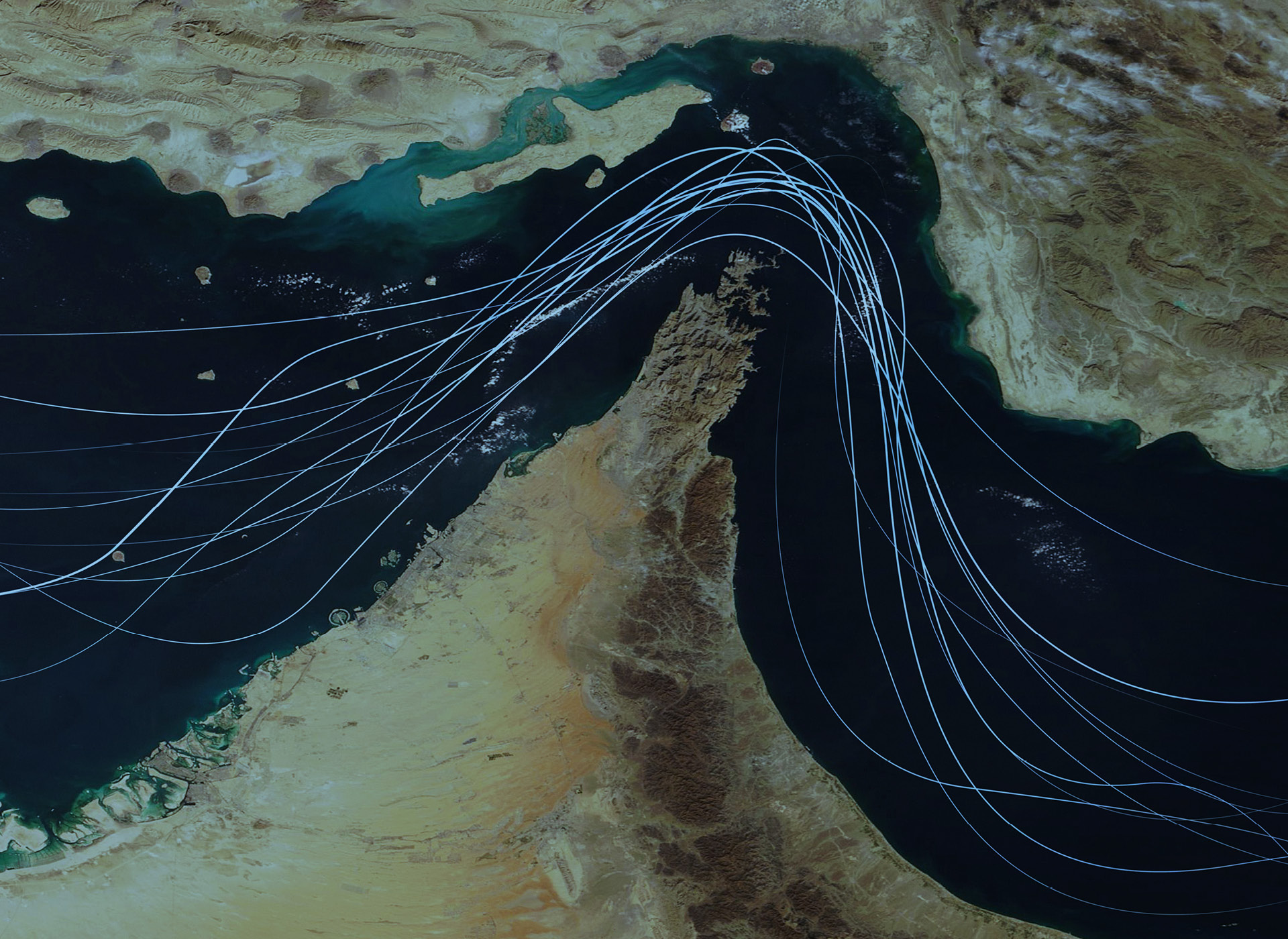
There are places on the planet that stand out not for their size, but for their ability to bring the world to a standstill. The Strait of Hormuz is one of them. Barely 54 kilometers wide at its narrowest point, with two navigable lanes of just over three kilometers each way, and yet until a few weeks ago, nearly a quarter of the world’s seaborne oil flowed through it.
The war in Iran has transformed the strait into a space of military control, where the passage of ships no longer depends solely on trade routes or logistical contracts, but on political criteria. Traffic, which under normal conditions hovers around 130-140 ships per day, has been drastically reduced, with hundreds of vessels detained or diverted and thousands of sailors stranded in the region.
The impact is not just quantitative. It’s structural.
Because the Strait of Hormuz is not just another border crossing: it’s the main outlet for hydrocarbons from the Persian Gulf. In 2025, around 20 million barrels of oil per day—almost 25% of global maritime crude oil trade—passed through this corridor, along with about 20% of global liquefied natural gas.
Closing the Strait of Hormuz, even partially, is equivalent to removing up to 20% of the world’s oil supply from the market, a magnitude far exceeding that of the major energy crises of the 20th century.
The result is immediate: soaring prices, imported inflation, and strained supply chains. In March 2026, the price of a barrel surpassed $110 amidst extreme volatility, with exceptional monthly increases.
But what is truly relevant is not the current situation, but the structural evidence this crisis reveals: global trade continues to depend on an extremely fragile network of geographical crossings.
Other Bottlenecks
The Strait of Hormuz is not alone. It is simply the most visible—and now most dramatic—example of a global logistics system that rests on a series of bottlenecks. The Suez Canal, for example, handles around 12% of global trade. Its 2021 blockage by the Ever Given was a timely reminder; the current instability in the Red Sea, with attacks on ships, is turning it into a persistent risk.
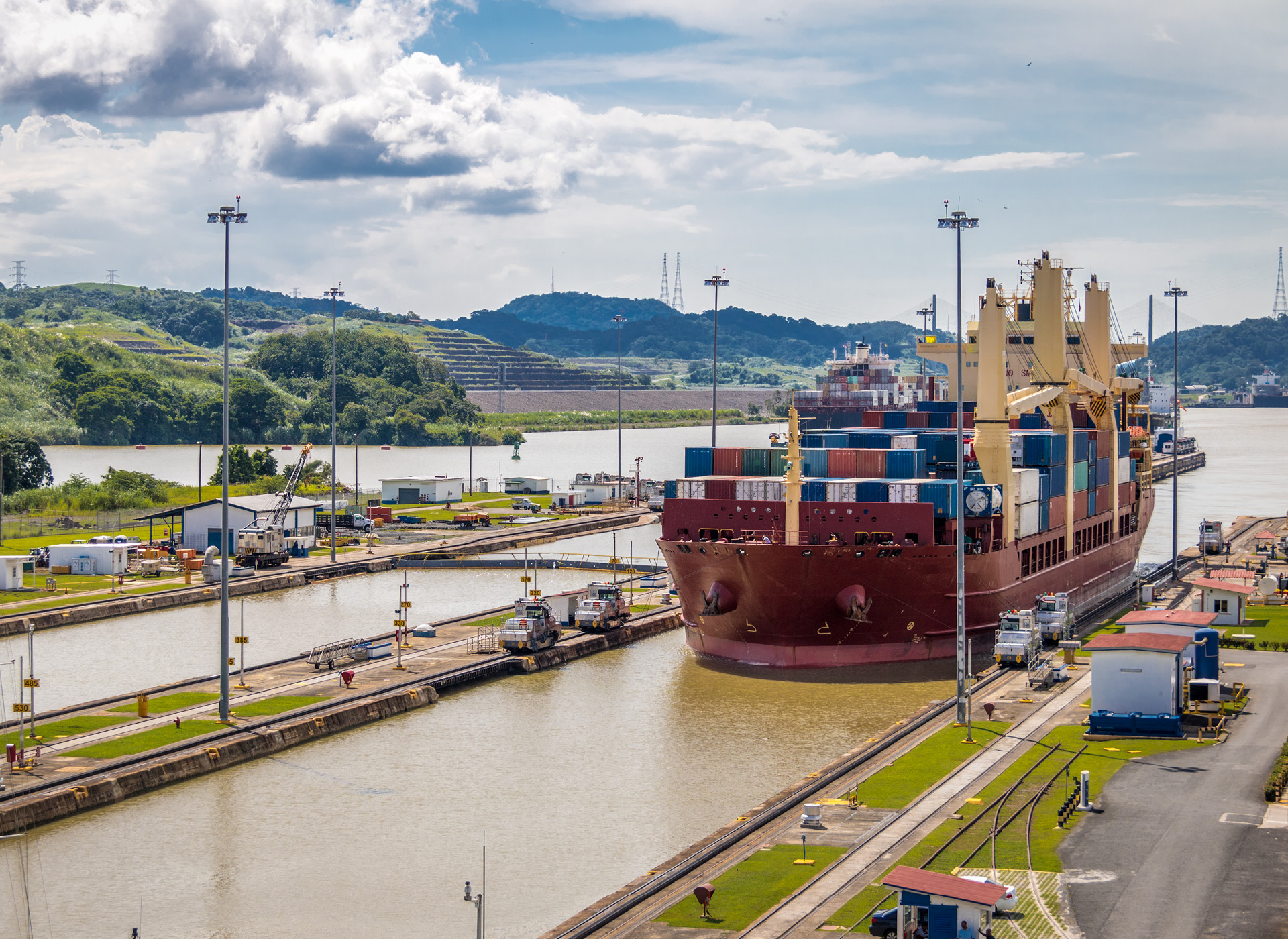
The Strait of Malacca, between Malaysia and Indonesia, moves nearly 30% of global maritime trade and is critical for the energy supply of China, Japan, and South Korea. It is narrow, congested, and vulnerable to piracy and regional tensions. The Panama Canal, meanwhile, handles approximately 5% of global trade, but its fragility is not so much geopolitical as climatic: the recent drought reduced the number of daily transits by more than 30%, particularly affecting flows between Asia and the US East Coast.
Even less publicized points, such as the Bab el-Mandeb Strait—key to connecting the Indian Ocean with the Mediterranean—or the Bosphorus Strait, play disproportionate roles relative to their size. The conclusion is clear: global trade is not a distributed network, but a chain of obligatory crossings.
Consequences
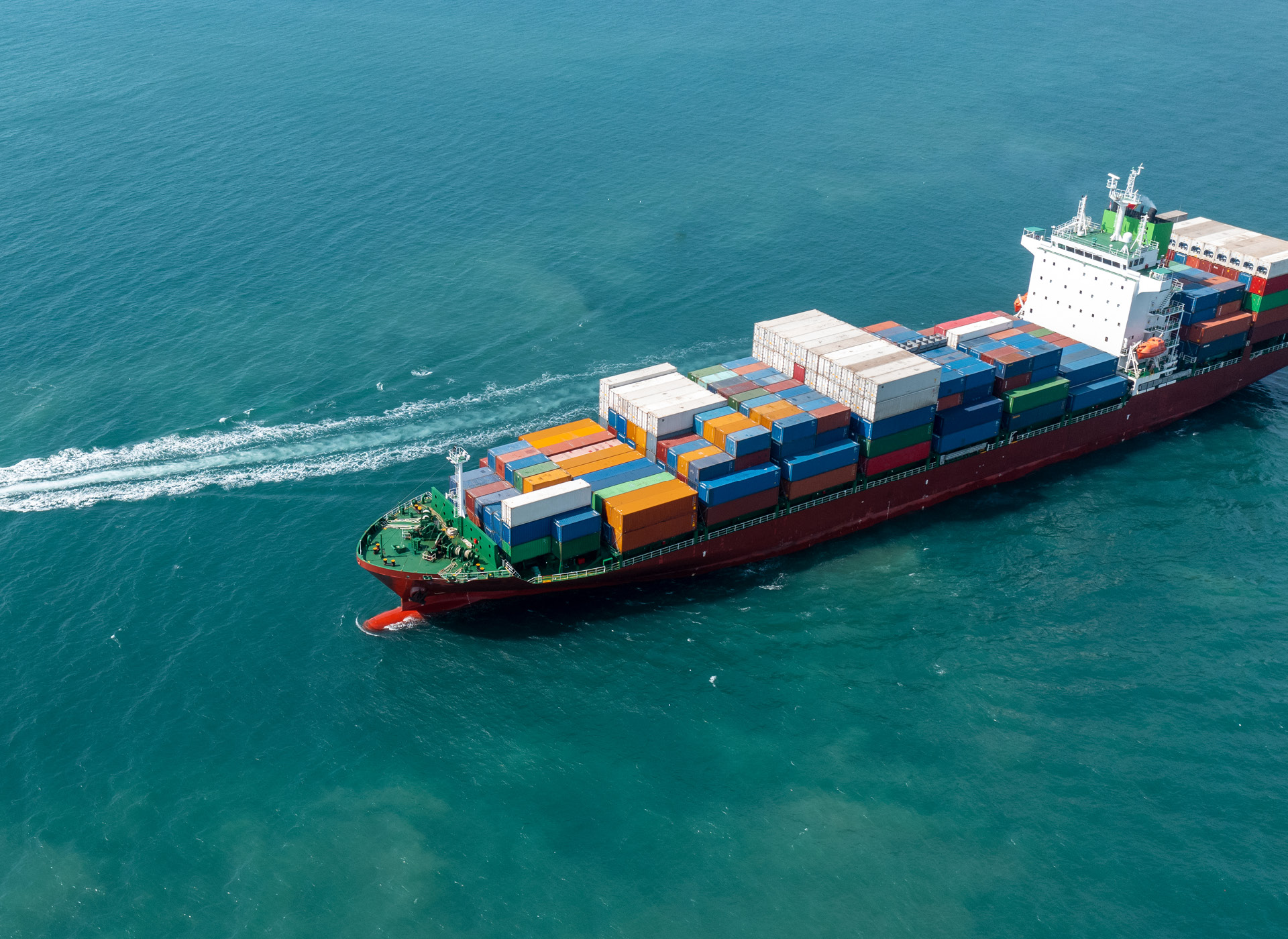
When one of these chokepoints is blocked, the system doesn’t collapse immediately. It becomes distorted. Routes lengthen. Costs skyrocket. Uncertainty becomes another logistical factor. In the case of the Strait of Hormuz, many shipping companies have opted to suspend operations or redirect routes around Africa, adding between 10 and 15 days of transit time and significantly increasing fuel costs.
At the same time, war insurance premiums have multiplied, and in some cases, the problem isn’t the cost, but the availability of coverage. Gulf ports, highly dependent on the strait, have seen their activity slow down or come to a standstill. And seemingly unrelated sectors—such as fertilizers, chemicals, or even semiconductors—are affected by the disruption of critical raw materials. According to UNCTAD, these types of disruptions at maritime chokepoints act as risk multipliers, transmitting shocks simultaneously to energy, logistics, and financial markets.
Given this scenario, the question is not how to avoid the risk —because it is not avoidable— but how to manage it.
What can freight forwarders like Transped do?
Freight forwarders play a strategic role here, beyond mere intermediation.
The first tool is route diversification. It’s not just about reacting to a crisis, but about designing logistics chains that incorporate alternatives from the outset. This means working with multiple corridors, ports, and modes of transport, even when the primary option is more efficient under normal conditions.
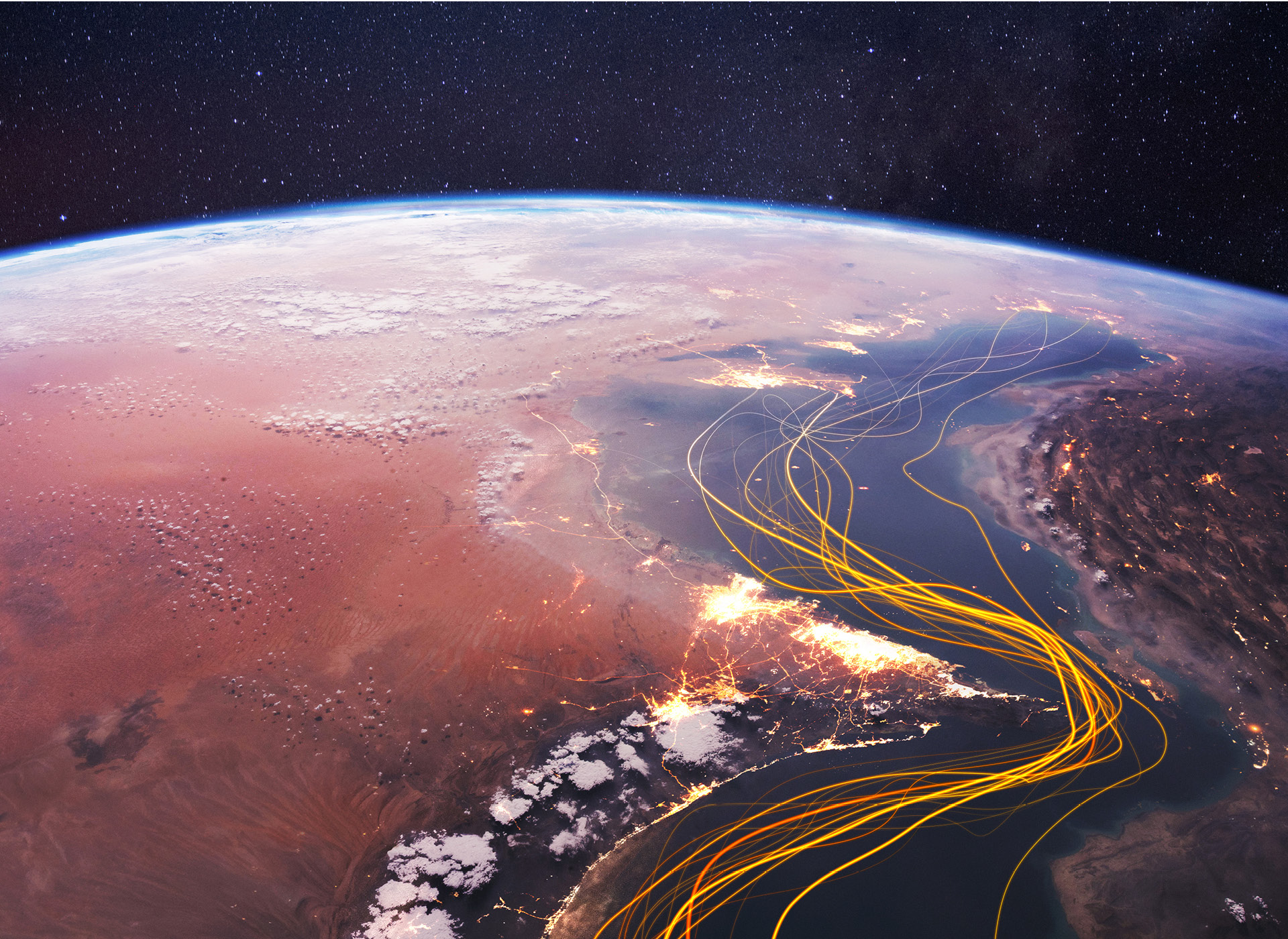
The second is anticipation through logistics intelligence. Logistics will no longer compete solely on efficiency, but on the ability to anticipate. At Transped, we are aligning our operations with this model, reinforcing our ability to analyze the environment and make proactive decisions as the core of our value proposition. Today, we have route tracking platforms that allow us to improve visibility, and we will progressively incorporate new layers of intelligence into our systems to move in that direction.
The third is contractual and financial risk management. Force majeure clauses, flexibility in transport contracts, and insurance coverage adapted to war or instability scenarios are now essential elements. Added to this is the need for collaboration. In contexts like the current one, coordination between shipping companies, insurers, port authorities, and end customers is key to maintaining a certain level of operational efficiency.
Finally, a deeper change is emerging: the partial relocation of supply chains. So-called “nearshoring” or “friendshoring” doesn’t eliminate risks, but it reduces exposure to certain chokepoints.
For decades, globalization has operated on an implicit premise: that maritime transport was a stable, almost invisible system. The Hormuz crisis shatters that illusion. Suddenly, the world’s logistics map—that network of straits, canals, and critical passages—becomes visible. And with it, the awareness that global trade depends not only on efficiency, but also on geography and politics. Perhaps the true lesson of this crisis is not circumstantial, but structural. Because Hormuz is not an exception. It is simply the most recent reminder that the world moves, literally, through places where everything can come to a standstill.
Sources and reports available for consultation:
• International Energy Agency (IEA) — Oil Market and Strait of Hormuz Briefings
• UNCTAD — Global Trade Update and Maritime Transport Reports
• International Maritime Organization (IMO) — Maritime Safety Reports
• Lloyd’s Market Association — Marine Risk and Insurance Reports
• World Bank — Global Economic Prospects (Logistics and Trade sections)