
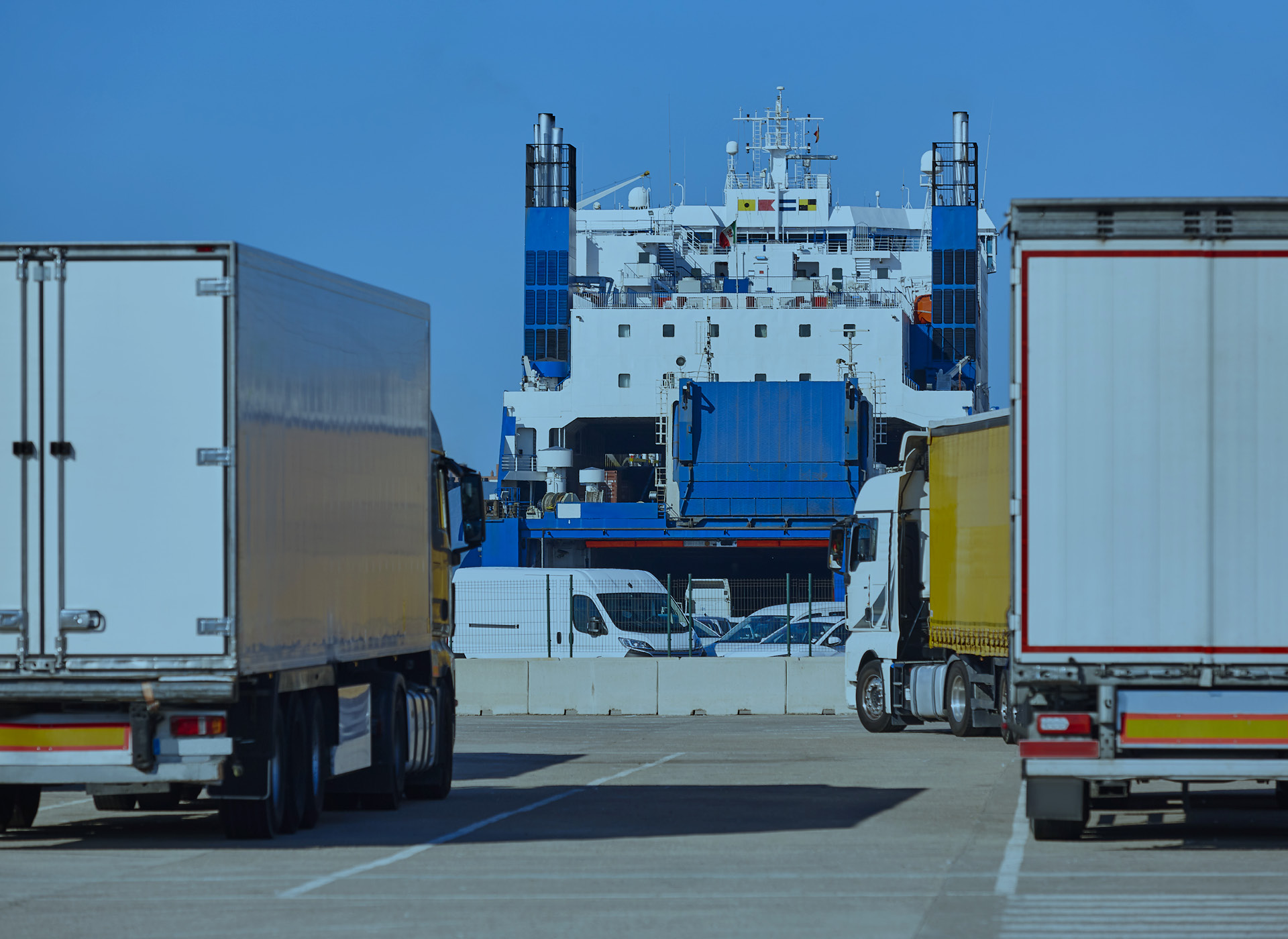
European supply chains are evolving towards more flexible models, where international road transport and regional routes are playing an increasingly strategic role. In an environment marked by market volatility and pressure on transit times, many companies are integrating production hubs closer to their end markets, thereby strengthening the resilience of their international logistics.
The aim is not to replace established global networks, but to complement them. The objective is clear: to gain agility, diversify risks, and build more balanced logistics structures. In this context, multimodal solutions and connections between Europe and nearby regions such as North Africa and Eastern Europe are becoming increasingly important.
Proximity as a Business Strategy
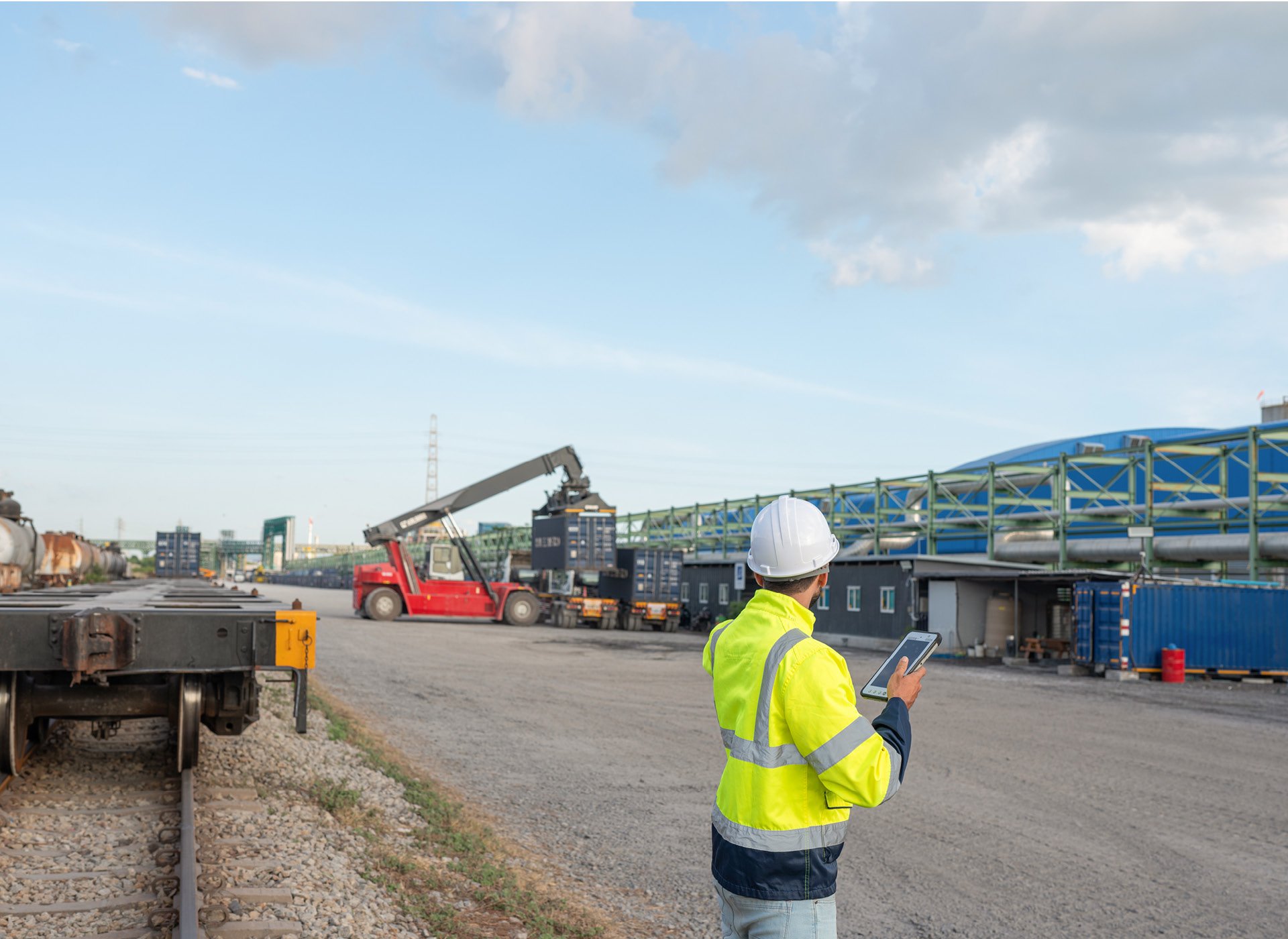
Nearshoring responds to a pragmatic logic. Consumption cycles are shorter, demand is more volatile, and companies need to react quickly. Reducing transit times allows for inventory adjustments, improved inventory turnover, and adaptation of production to unexpected market changes.
At the same time, companies seek to avoid excessive concentration in a single region or on a single type of route. Diversification does not mean abandoning internationalization, but rather distributing operations more effectively. The combination of global production and regional sourcing creates more resilient models, better prepared to absorb external pressures.
Added to this is the regulatory and environmental component. Optimizing distances and integrating more efficient modes of transport contribute to reducing the carbon footprint and complying with increasingly demanding European standards.
The Rise of International Road Transport between Europe and North Africa
One of the key indicators of this evolution is the growth of logistics connections between the Iberian Peninsula and North Africa. Industrial and manufacturing sectors have strengthened their presence in this area, generating increasingly dynamic trade flows.
In this scenario, international road transport offers clear advantages over intercontinental routes in terms of transit times and operational flexibility. Frequent departures, the ability to adjust volumes, and the efficiency of door-to-door services allow for more precise planning, better aligned with actual demand.
Furthermore, integration with short sea shipping and rail transport solutions expands the available options and brings stability to the supply chain. Logistics is no longer simply the movement of goods, but rather a strategic tool for competitiveness.
The Freight Forwarder’s Role in the New Logistics Balance
Faced with this new landscape of trade flows, the freight forwarder’s role is evolving. They are no longer limited to coordinating shipments, but actively participate in designing supply chains tailored to each company’s specific needs.
Transped, with a solid track record in international sea, air, and road transport, integrates road and rail connections within a global network that combines international reach with regional proximity. Its experience in land routes—including strategic connections to North Africa—allows for the design of multimodal solutions tailored to each client’s time, cost, and volume requirements, bringing flexibility and efficiency to every operation.
The current challenge is not choosing between global and local, but finding the right balance between the two. Companies that successfully integrate these two dimensions will be better prepared to face an increasingly demanding market.
More Flexible Logistics for a Changing Environment
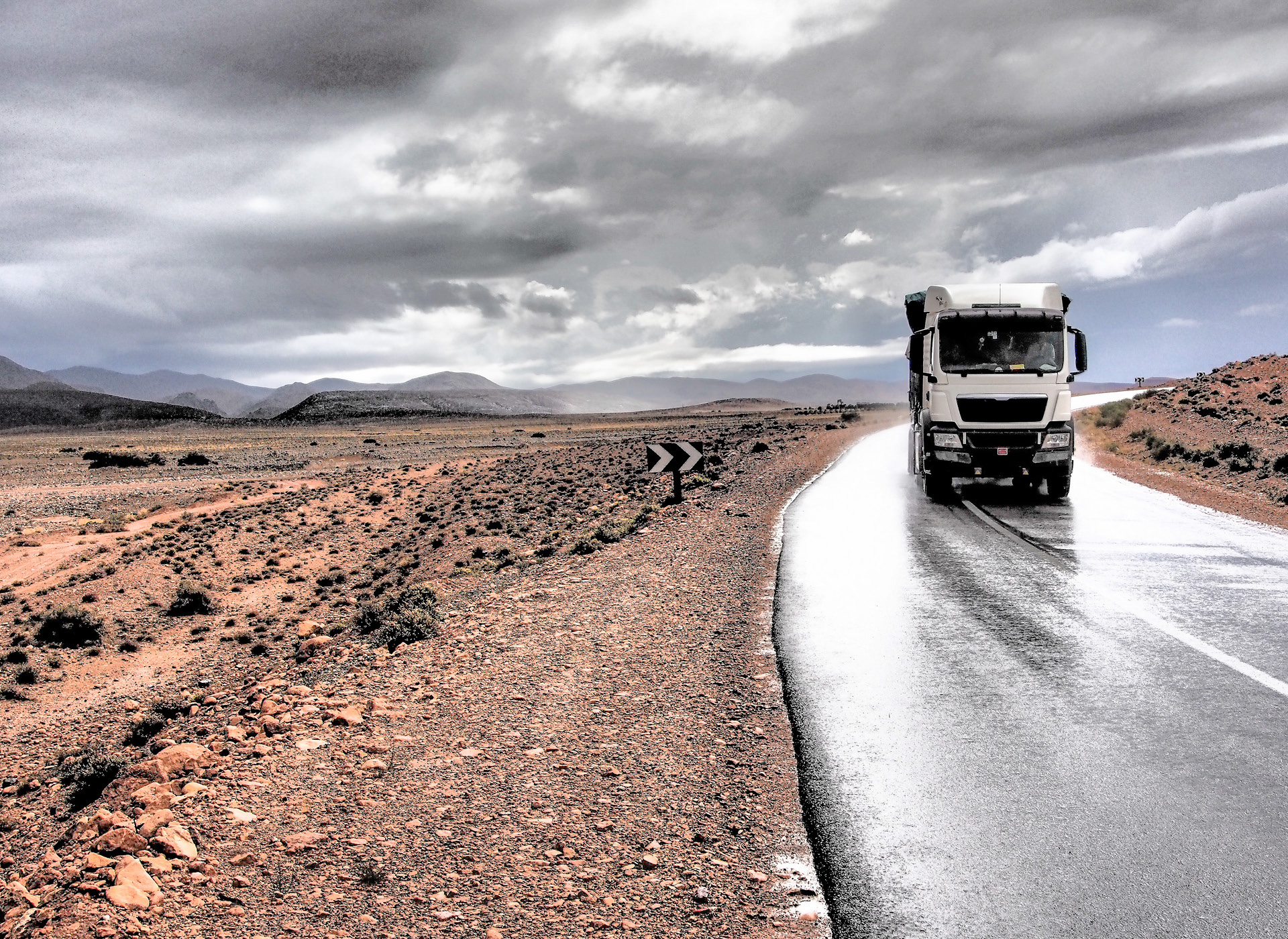
The trend toward more diversified and localized models is not a passing fad. It responds to a structural need for adaptation and efficiency. In this context, the ability to design combined routes, optimize transit times, and anticipate potential disruptions becomes a competitive advantage.
The evolution of supply chains demands analysis, planning, and strategic vision. In this scenario, having a logistics partner capable of integrating international land transport, maritime solutions, and multimodal operations is key to sustainably optimizing time and costs.